







How The “Everything-To-Grid” Concept Turns Our Homes and Cars Into Power Plants
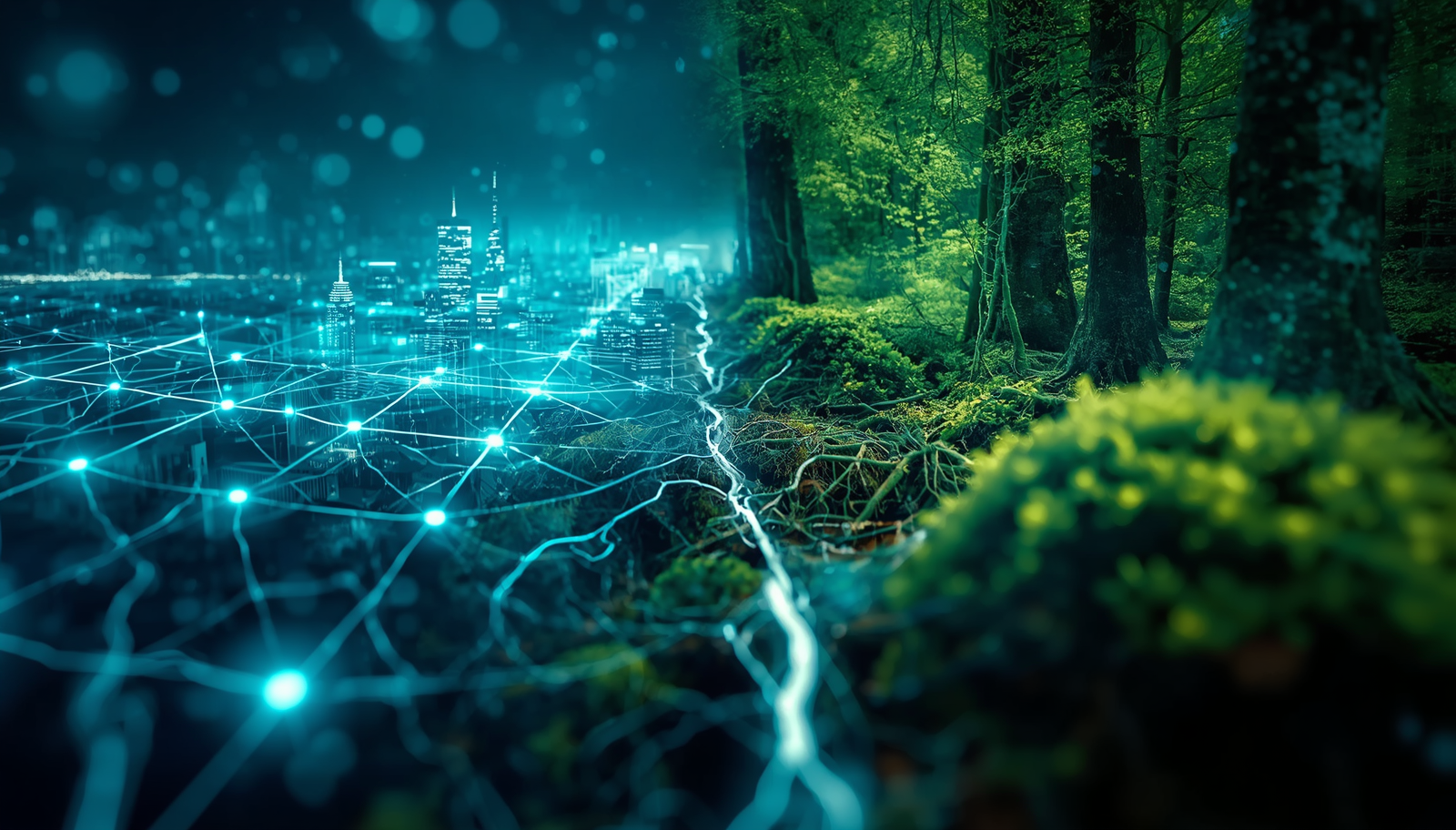
If a few years ago the future of energy seemed reserved only for giant solar parks and wind turbines, today, in 2026, the reality is quite different. The energy revolution is already happening in our garages, living rooms, and on our roofs. The old electrical grid worked like a one-way street: power plants produce, and we are just passive consumers. Today, we are witnessing a complete paradigm shift through the “Everything-to-grid” (X2G) concept. What does this mean in practice? Our buildings, vehicles, and even home appliances no longer just “spend” electricity—they actively store it, manage it, and return it back to the system. Let’s decode how this new decentralized network works and why it resembles a living biological organism more than a machine.
Vehicle-to-Grid (V2G)
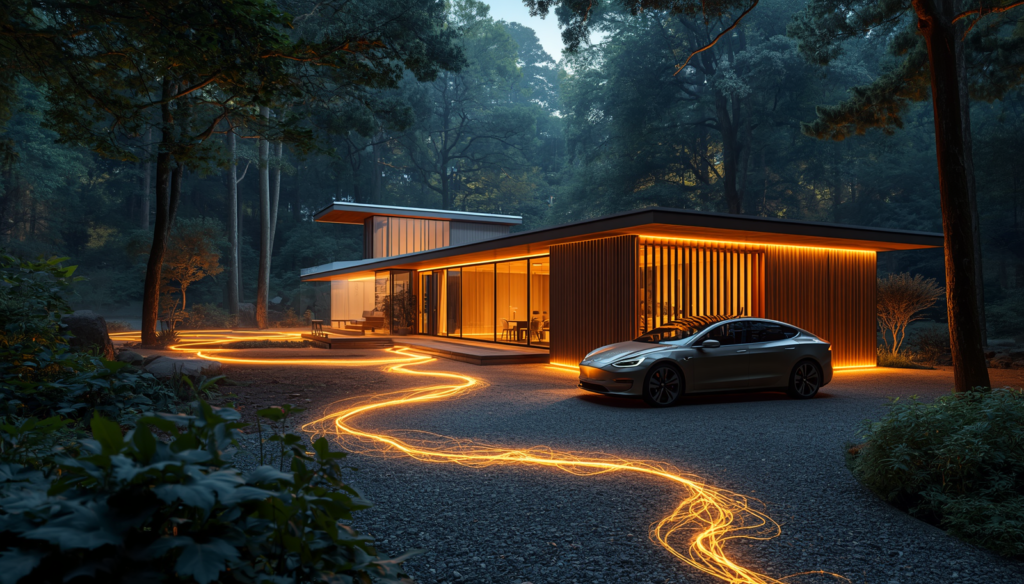
Your Car as a Giant Mobile Battery The statistics are clear: a personal vehicle spends over 90% of its time parked. Until recently, this just meant a “sleeping” asset. Today, electric vehicles (EVs) are mobile energy banks. How it works: Through bidirectional charging stations, your electric car can charge overnight when electricity is cheapest and in surplus (e.g., from wind turbines). During the day, during peak consumption (when everyone gets home and turns on heaters and air conditioners), the car can intelligently “return” part of the stored energy back to your house or even sell it to the power grid. The result: The electric car not only reduces your electricity bills but also stabilizes the national grid, protecting it from overloading.
Building-to-Grid (B2G)
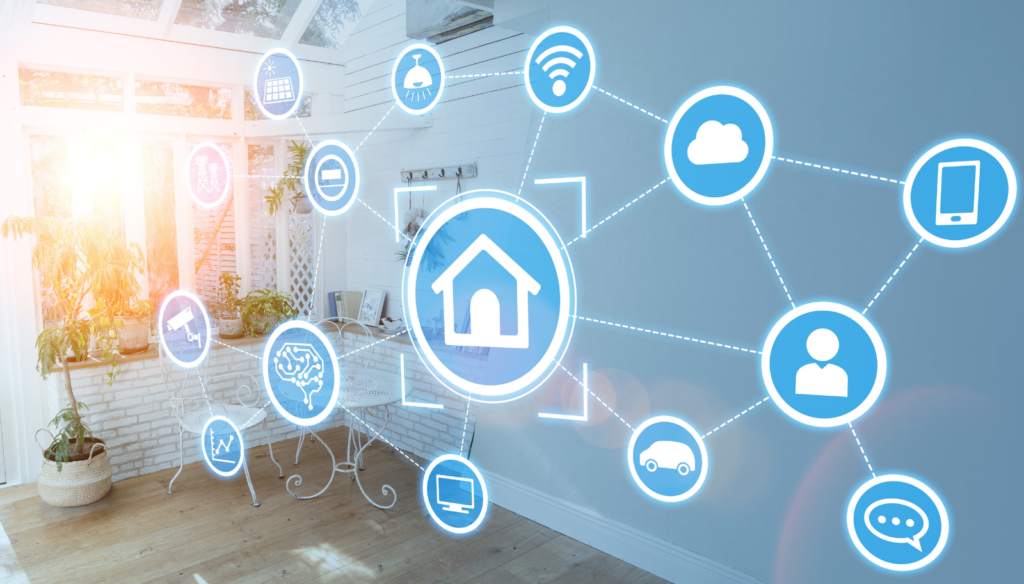
Buildings With Their Own Nervous System Homes are no longer just bricks and concrete—they are active energy nodes managed by artificial intelligence. The symbiosis of the roof and the basement: Smart homes in 2026 generate energy through solar roofs and store it in powerful home battery systems. Integrated software continuously analyzes weather forecasts, electricity tariffs, and family habits. Practical example: If the software knows that tomorrow will be cloudy, it will store solar energy from today in the batteries instead of returning it to the grid. If the system detects a surplus, your home will automatically share (and monetize) it with neighbors or the central network.
Device-to-Grid (D2G)
The Micro-optimization of Appliances This concept goes down even to the micro level. Smart appliances (refrigerators, water heaters, heat pumps) communicate directly with the grid. Flexible consumption: Imagine that the grid is experiencing a momentary shortage of energy. Your smart water heater receives a micro-signal and automatically stops heating water for 10 minutes. You won’t even notice a difference in temperature while you’re showering, but when millions of water heaters do this simultaneously, it prevents a collapse of the entire national grid.
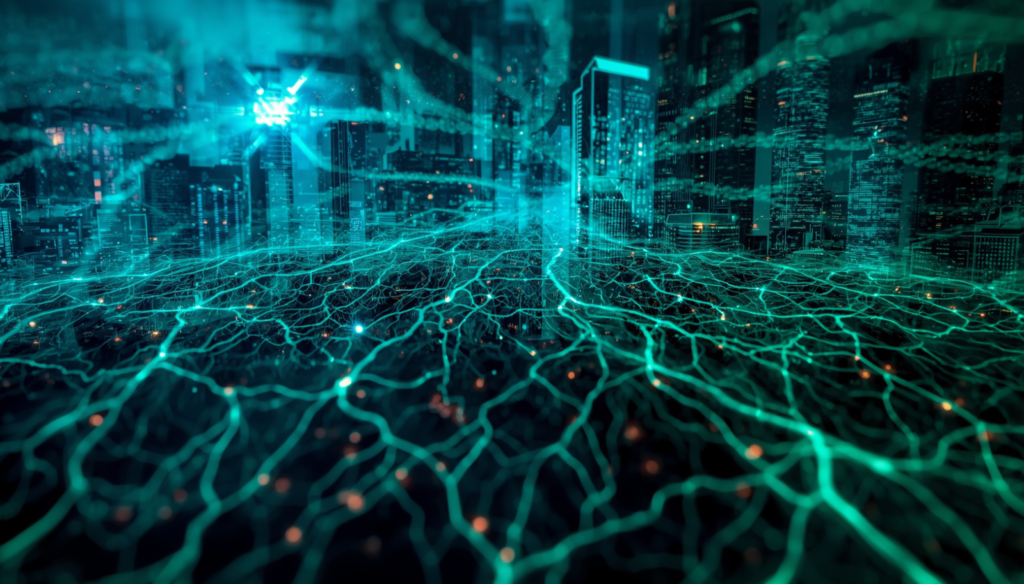
The Power Grid as Mycelium If we think about it, the “Everything-to-grid” concept copies one of the most perfect systems in nature—fungal mycelium in forests (the so-called Wood Wide Web). In nature, trees and plants are not isolated; they are connected through a vast underground network through which they exchange nutrients, water, and signals. When one tree has a surplus of sugars, it passes them on to another that is in the shade. In the same way, X2G turns our cities from a collection of isolated consumers into an intelligent, shared ecosystem. We are moving from a centralized model (where we rely on one giant power plant) to a decentralized network of sustainability.
The technologies of the future no longer require us to just buy energy. They turn us into active participants who create, store, and share it. This new synchronicity between cars, buildings, and the grid is not just a win for our wallets, but also an important step toward an ecological and sustainable future.