







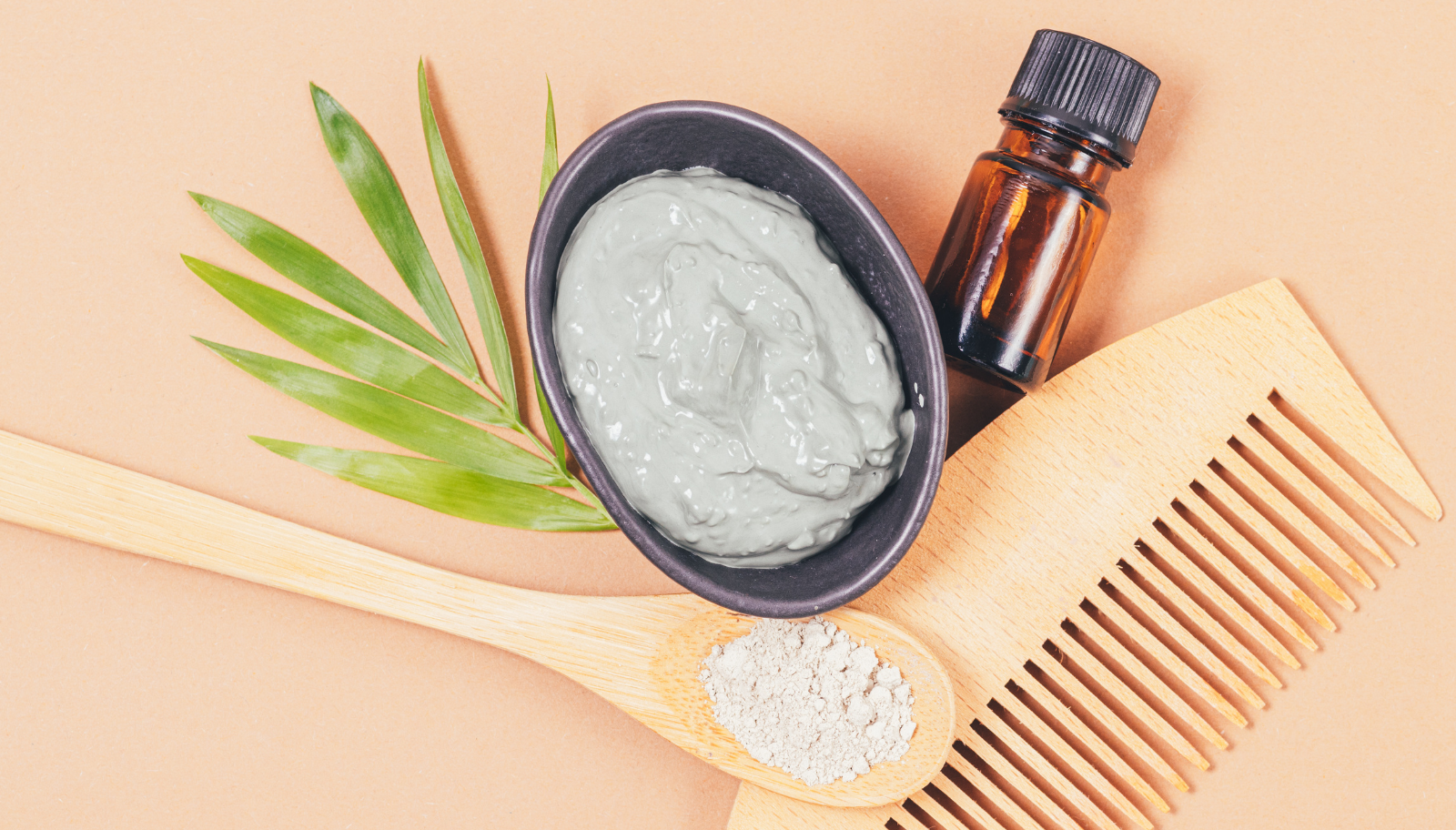
Homemade Hair Masks by Scalp Type: The Science Behind Natural Ingredients
When we talk about hair care, we often make the mistake of focusing solely on the lengths. The truth, however, is that the hair strand is composed of dead tissue (keratin), and the only truly “living” part is its root, anchored in the scalp. The scalp is simply an extension of the skin on our face, and the health of the follicles depends entirely on its balance.
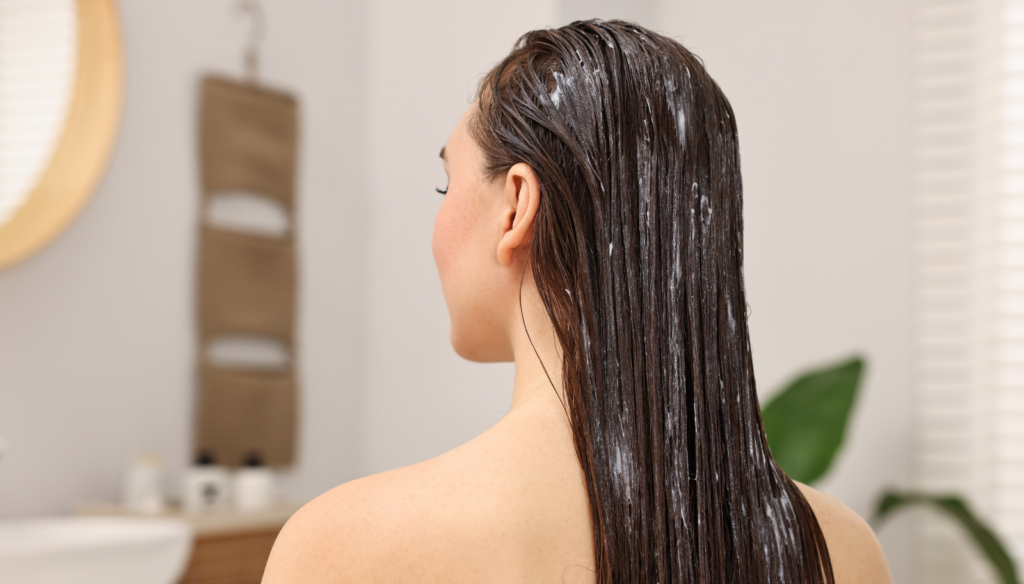
Many homemade masks have a bad reputation because they are applied “blindly.” However, when we select ingredients based on their molecular structure and biochemical action, we can achieve results comparable to professional cosmetics. Here is how to target your scalp’s needs with precise scientific solutions.
Oily Scalp: Regulating Sebum Without Dehydration
Those suffering from an oily scalp often try to solve the problem with aggressive, drying shampoos. This triggers a defensive mechanism in the skin—the follicles begin producing even more sebum to compensate for the loss.
Green clay and raw apple cider vinegar.
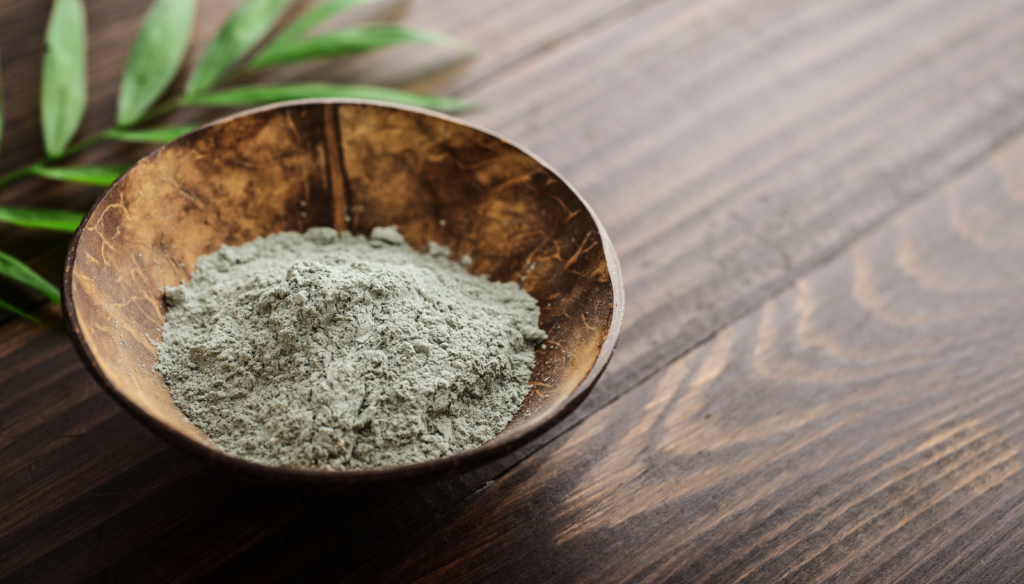
Green clay works on the principle of adsorption. Its highly porous mineral structure acts as a molecular sponge that attracts and binds excess lipids (oils) and hydrophobic impurities without disrupting the integrity of the epidermal cell membranes.
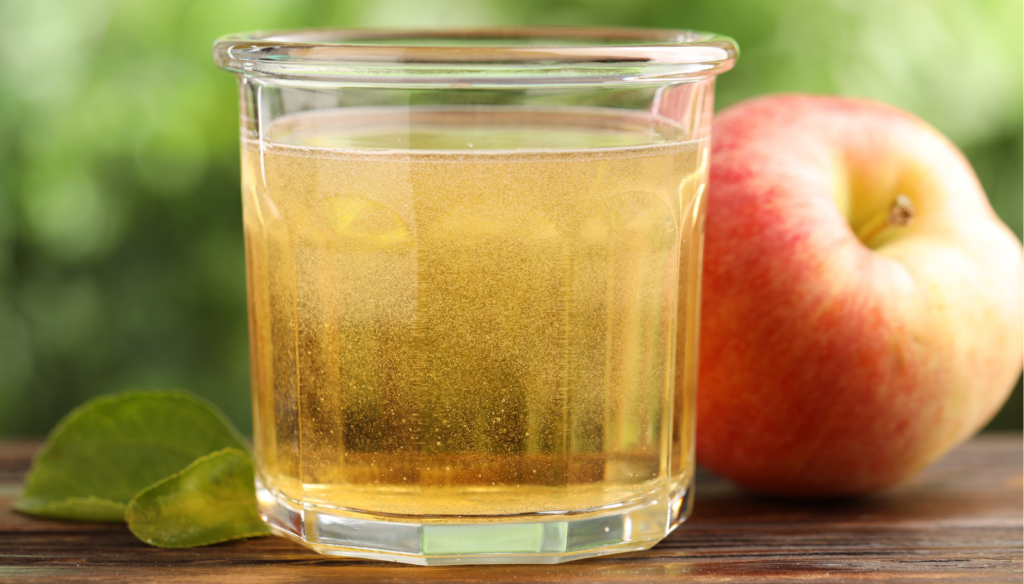
Apple cider vinegar is key for pH regulation. A healthy scalp has a slightly acidic pH (about 4.5 – 5.5), known as the acid mantle. An oily scalp often shifts toward an alkaline pH, which is an ideal environment for the growth of the fungus Malassezia (the cause of dandruff). Acetic acid instantly restores balance and tightens pores.
Recipe: Mix 2 tablespoons of green clay with 1 tablespoon of apple cider vinegar and a little warm water until a paste is formed. Apply only to the roots for 10-15 minutes, then rinse with lukewarm water.
Dry and Flaky Scalp: Restoring the Lipid Barrier
With a dry scalp, the delicate barrier of ceramides and fatty acids is compromised, leading to transepidermal water loss (TEWL). The skin becomes brittle, starts flaking into tiny white particles, and loses its elasticity.
Avocado oil and pure honey.
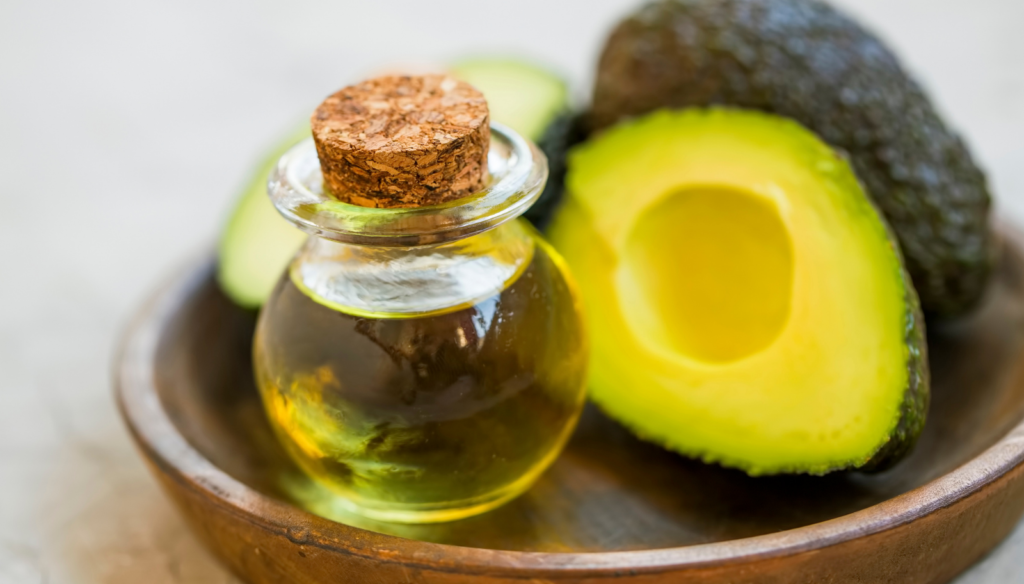
Avocado oil is one of the few vegetable oils rich in monounsaturated fatty acids (mostly oleic acid). Due to its low molecular weight, it manages to penetrate between the cells of the stratum corneum and literally “patch” the compromised lipid barrier.
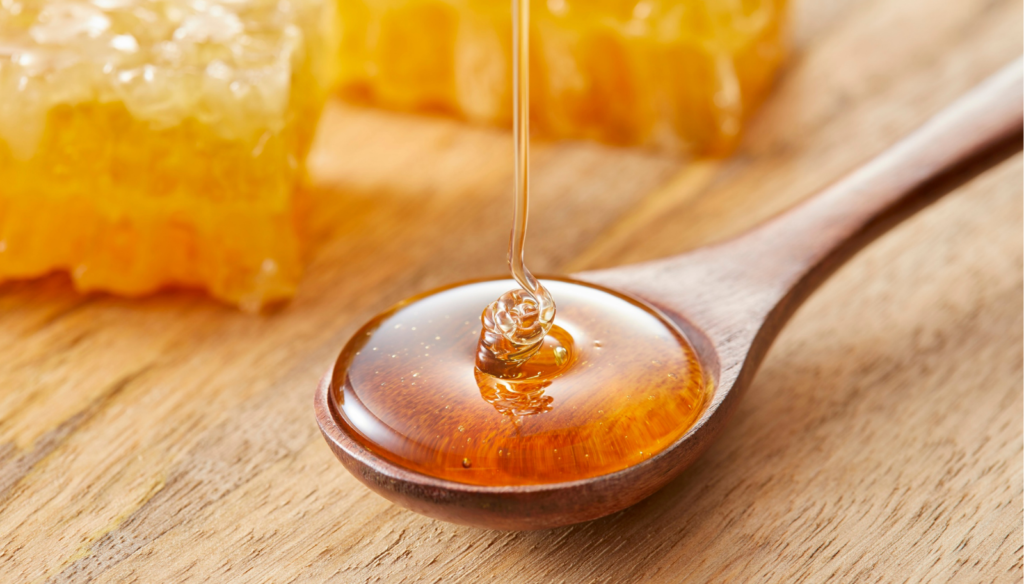
Honey is a powerful natural humectant (moisture-retaining agent). Its chemical structure allows it to form hydrogen bonds with water molecules from the air and “lock” them deep into the epidermis, ensuring long-lasting hydration.
Recipe: Mix 1 tablespoon of avocado oil with 1 tablespoon of slightly warmed honey. Massage into the scalp and leave it to act for 30 minutes under a warming towel.
Sensitive and Inflamed Scalp: Blocking Micro-inflammation
Itching, redness, and burning are signs of activated inflammatory cytokines in the skin. This type of scalp requires ingredients that stabilize the cells’ immune response and soothe nerve endings.
Aloe vera gel and colloidal oatmeal (finely ground oat flour).
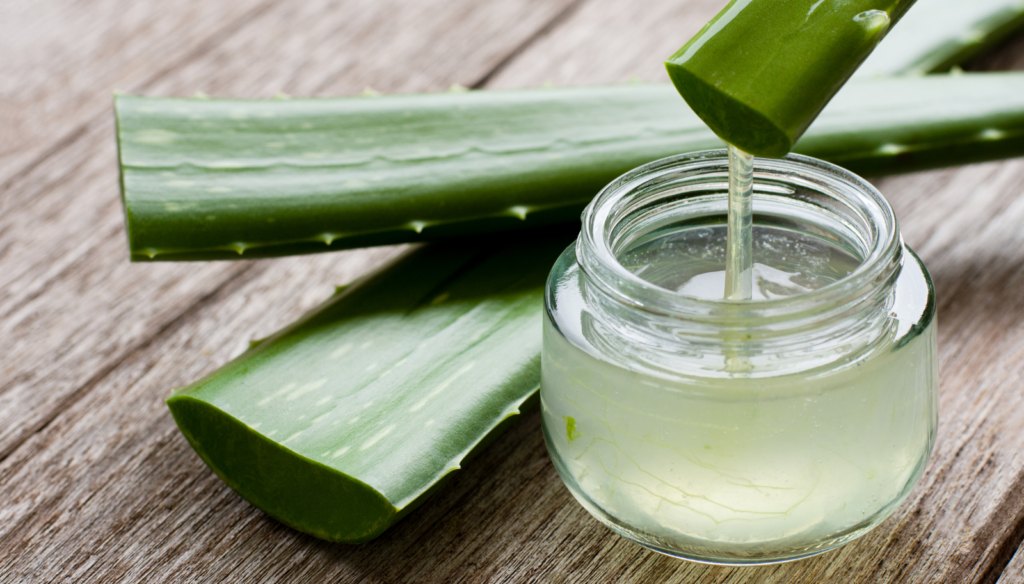
Aloe vera contains the polysaccharide acemannan. Laboratory studies show that acemannan suppresses the synthesis of pro-inflammatory molecules and stimulates fibroblast regeneration (the cells responsible for skin healing).
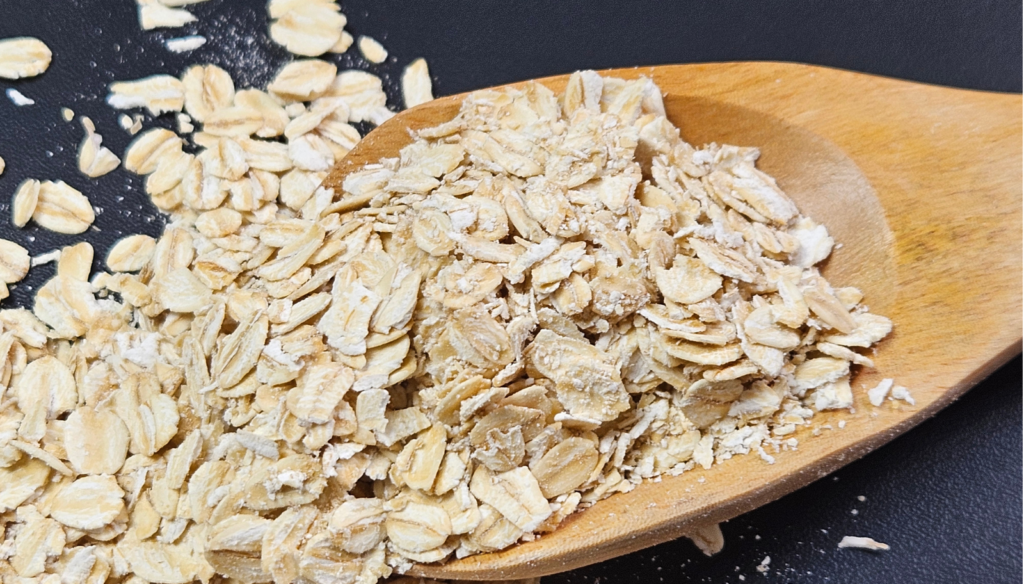
Oatmeal contains unique polyphenols called avenanthramides. They possess powerful antihistamine and anti-inflammatory action, instantly blocking the itch signal at the cellular level.
Recipe: Mix 2 tablespoons of pure aloe gel with 1 tablespoon of finely ground oat flour. Apply to the scalp, wait 20 minutes, and rinse gently without excessive scrubbing.
Quick Reference Guide to Biochemical Action
| Scalp Type | Main Problem | Targeted Ingredient | Biological Mechanism |
| Oily | Hyperproduction of sebum | Green clay | Molecular lipid adsorption |
| Dry | Compromised lipid barrier | Avocado oil | Penetration of monounsaturated fatty acids |
| Inflamed | Cellular stress and itching | Oatmeal | Blocking histamine via avenanthramides |
When we approach the scalp with the same seriousness and scientific approach that we apply to the skin on our face, the result is inevitable—strong, shiny, and vibrant hair growing on a healthy foundation.