






Bakuchiol: The Plant-Based Retinol Alternative That Transforms Sensitive Skin
In the world of skincare, there is one ingredient that has worn the crown of the “absolute king of anti-aging” for decades—retinol (Vitamin A). Its ability to stimulate cellular renewal and collagen production is scientifically proven. But this powerful transformation comes at a price: redness, dryness, flaking, and severe photosensitivity. For people with sensitive skin, rosacea, or for pregnant women, retinol is often strictly forbidden. This is where the biggest discovery of modern organic cosmetics enters the stage—Bakuchiol. Let’s understand what this plant-based alternative is and how it manages to “trick” our cells into rejuvenating without irritating them.
What is Bakuchiol?
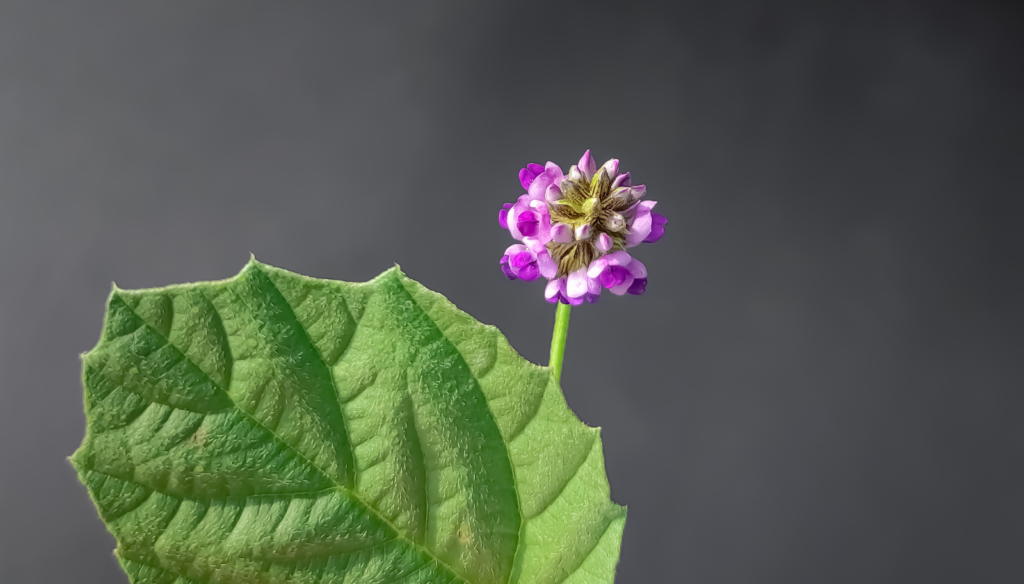
Bakuchiol is a 100% natural, vegan extract derived from the leaves and seeds of the Psoralea corylifolia plant (also known as Babchi). This plant with delicate purple flowers has a long history in traditional Ayurvedic and Chinese medicine, where it was used to treat skin inflammation and wounds.
Different Molecule, Same Result
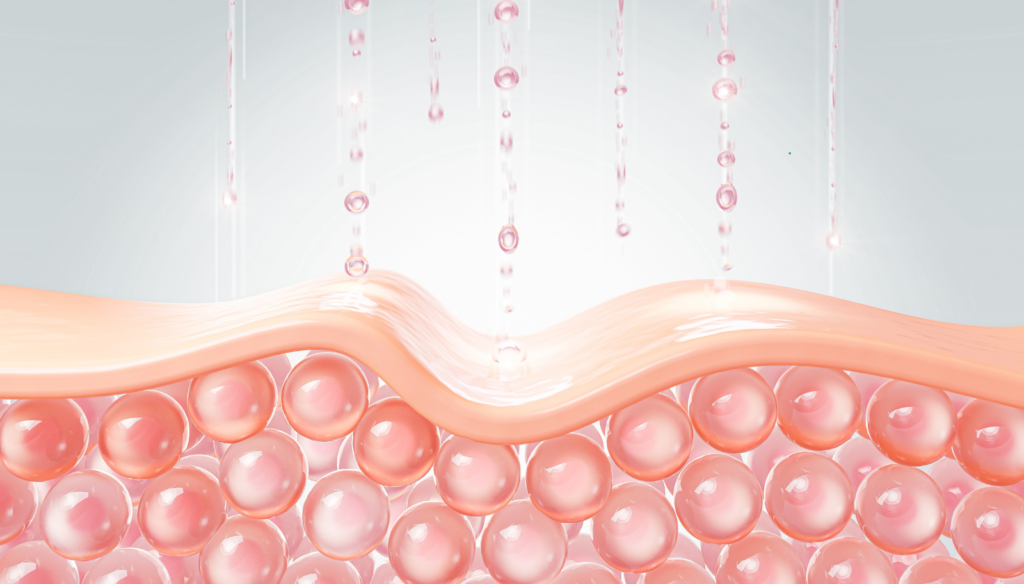
The most interesting discovery by dermatologists is related to the molecular structure of bakuchiol. Chemically, it has absolutely nothing in common with retinoids. However, when applied to the skin, it acts as a functional analog of retinol. Bakuchiol binds to the same receptors in skin cells and activates the same genetic pathways. It literally sends a signal to fibroblasts: “Start producing new collagen and elastin!”. Cellular turnover is accelerated, but without the aggressive thinning of the stratum corneum that Vitamin A causes.
Retinol vs. Bakuchiol
The Battle of the Titans To understand why bakuchiol is such a revolution, let’s compare the two ingredients:
| Criterion | Retinol (Vitamin A) | Bakuchiol (Plant Extract) |
| Collagen stimulation | Proven strong | Proven strong |
| Risk of irritation (flaking) | High (requires an adaptation period) | Minimal to zero |
| Photosensitivity | High (evening use only) | None (can be used in the morning) |
| Safety during pregnancy | Strictly forbidden | Considered safe |
| Compatibility with other ingredients | Incompatible with acids (AHA/BHA) | Works perfectly in synergy with everything |
If you incorporate a serum or oil with bakuchiol into your daily routine, here are the results you can expect after 8 to 12 weeks of consistent use:
Smoothing fine lines: Similar to retinol, bakuchiol “plumps” the dermis from the inside out, making wrinkles less visible.
Fighting hyperpigmentation: It inhibits melanin synthesis, which helps brighten dark spots and acne scars.
Antioxidant protection: As a powerful antioxidant, it protects the skin from oxidative stress caused by pollution and UV rays (perfect for morning use).
Soothing acne: Thanks to its strong antibacterial and anti-inflammatory properties, bakuchiol is an excellent ally for skin prone to oiliness and pimples.
How to incorporate it into your routine? One of the biggest advantages of bakuchiol is its lack of “fussiness.” You don’t need to introduce it slowly (once a week) as you do with retinol. You can use it every day, morning and evening. You can use it alongside Vitamin C, hyaluronic acid, and peptides. Simply apply a few drops to a clean face before your favorite moisturizer.