






Technologies of the Future 2026: Passive Cooling Materials – How Roof Paint Is Replacing Air Conditioners
With rising global temperatures, humanity has fallen into a vicious circle: it gets hotter, we turn on more air conditioners, they consume a huge amount of electricity and release heat outside, which makes our cities even hotter.

In 2026, however, materials science has offered a brilliant way out of this trap. Imagine a paint or a thin film that you coat your roof with, and its surface becomes colder than the surrounding air—all without using a single watt of electricity. It sounds like magic, but it is actually pure physics. This technology is called passive radiative cooling.
Here is how science is turning our homes into natural refrigerators by using space itself.
The Physics Behind the Magic: How Does Radiative Cooling Work?
For a material to cool passively, it must do two things simultaneously and perfectly. Engineers have created nano-structured paints and films that perform this dual role:
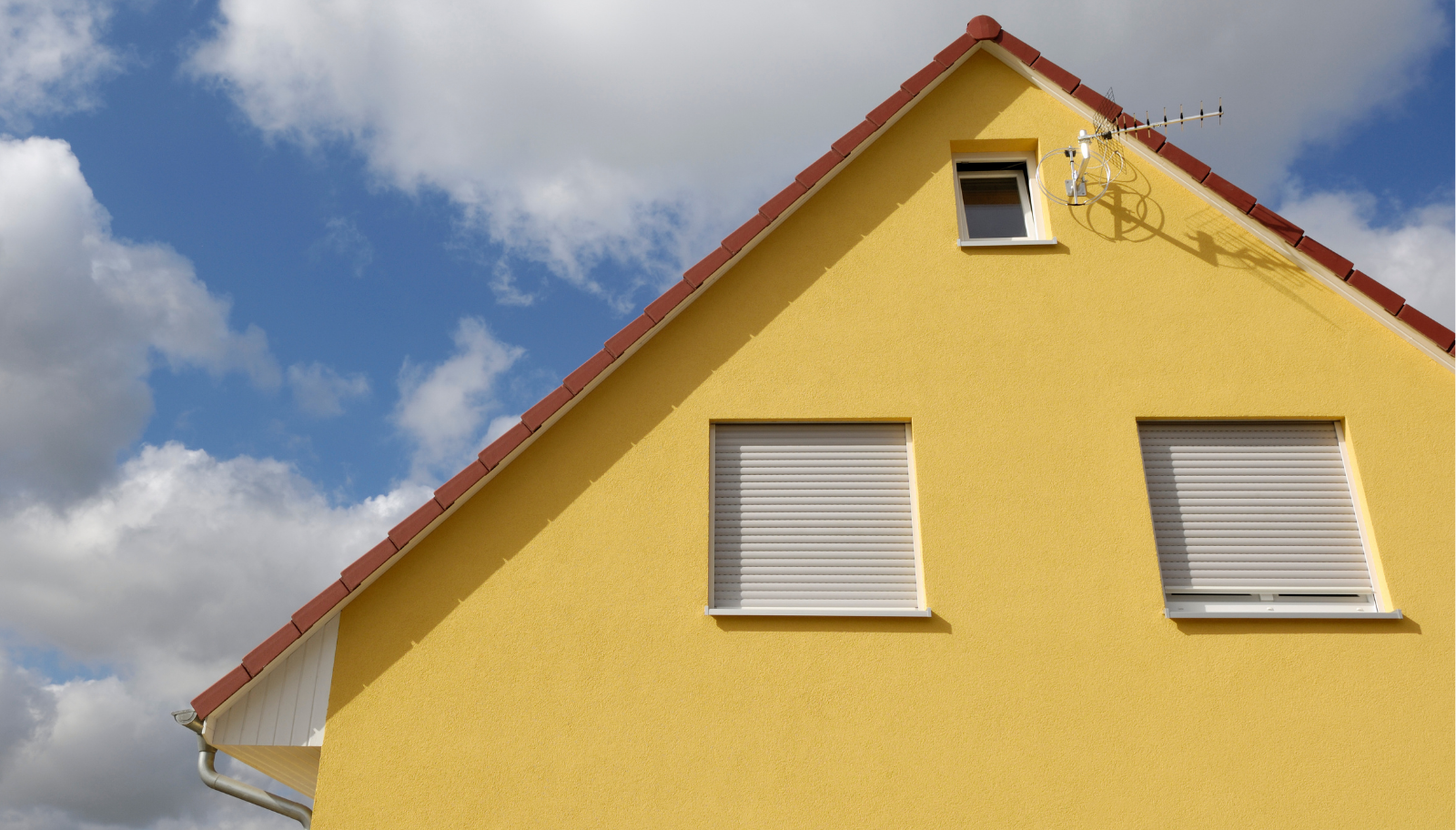
Super-reflection of the sun These new materials reflect up to 98% of sunlight (both visible and near-infrared). This means that solar rays do not manage to heat the surface at all.
Emission in the “Infrared Window” This is the real scientific breakthrough. Every warm body emits heat. These high-tech paints are designed to emit the heat absorbed from the building at a very specific frequency of the infrared spectrum (between 8 and 13 micrometers). Why exactly there? Because the Earth’s atmosphere is completely transparent to this frequency. The heat is not trapped in the air but is fired directly into the icy vacuum of outer space.
The result? Even under the scorching noon sun, a surface painted with such a material can be 5 to 10 degrees colder than the surrounding air.
The End of “Urban Heat Islands”
When you fly over a large city in the summer, you are flying over a giant concrete radiator. Asphalt and dark roofs absorb heat during the day and radiate it at night (the so-called urban heat island effect).

Integrating passive cooling films into urban infrastructure changes the rules of the game:
- Buildings stay cool inside. This drastically reduces the need for air conditioning, lowering electricity bills by up to 30-40% during the summer months.
- Applying these films to refrigerated trucks or containers saves huge amounts of fuel needed to maintain the cold chain during the transport of food and medicine.
- If enough roofs are covered with this material, the overall temperature of entire neighborhoods drops, improving air quality and quality of life.
Technology That Works With Nature, Not Against It
Our previous solutions for air conditioning have always relied on “brute force”—burning fuels or electricity to beat the heat. Passive cooling paints are an example of elegant science. They do not need cables, batteries, software, or maintenance. Once applied, they work 24 hours a day, using the largest and coldest radiator we have—the Universe itself.
This is an innovation that works quietly, efficiently, and in absolute harmony with the laws of thermodynamics.