







Faster Weight Loss with Peptides: A Revolution in Modern Medicine and the Risks
Peptides for weight loss (GLP-1 receptor agonist medications like Ozempic and Wegovy) or Ipamorelin, CJC-1295, HGH Frag 176-191, AOD-9604 – how do they differ?
At their core, peptides are short chains of amino acids – the same building blocks that make up the proteins in our body. As signaling molecules, they transmit important instructions to cells and organs, regulating processes such as metabolism, hormonal balance, and recovery.
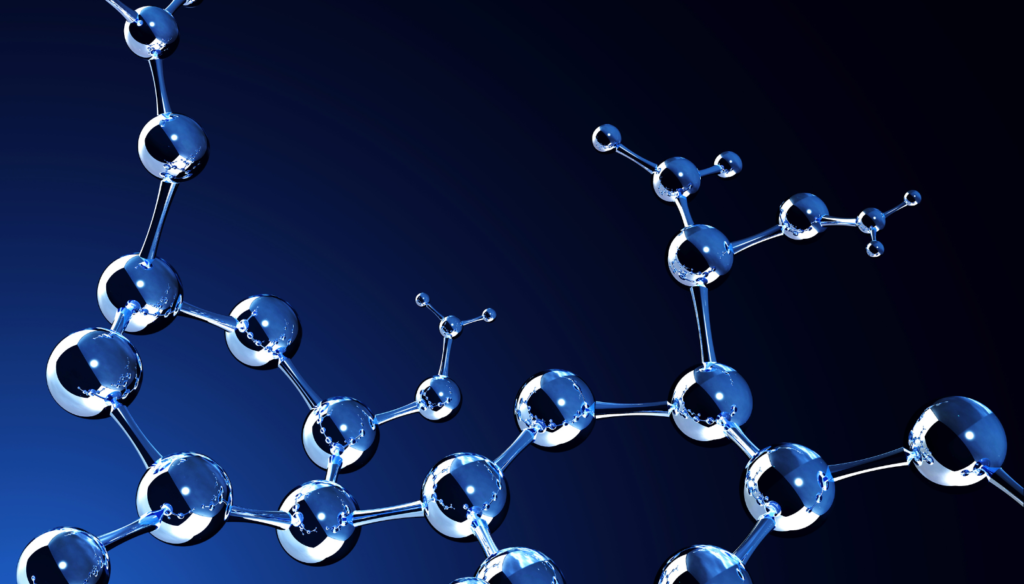
Peptide therapy represents a true revolution in modern medicine, as it offers a precise and personalized approach to treating complex metabolic conditions. Unlike traditional drugs, which often act “roughly” on the organism, peptides work as intelligent signaling molecules that precisely “fine-tune” cellular functions and hormonal balance. Thanks to their high efficacy and specificity, they are emerging as a key tool in the future of medicine, promising safer weight management, tissue regeneration, and the fight against chronic diseases by stimulating the body’s own internal resources.
Mechanism of Action: Systemic and Local
The way peptides affect the body depends on their purpose
Systemic Effect: Used in weight loss therapies. The peptide enters the bloodstream and influences complex processes such as satiety signals in the brain or metabolic rate.
Local Effect: Applied primarily in cosmetics. Here, peptides act directly on the skin (e.g., stimulating collagen) without affecting overall weight or metabolic functions.
Approved Medical Peptides (GLP-1 Receptor Agonists)
These are the only peptides that have passed through large-scale clinical trials and have been approved by regulatory bodies (FDA/EMA) for the treatment of obesity.
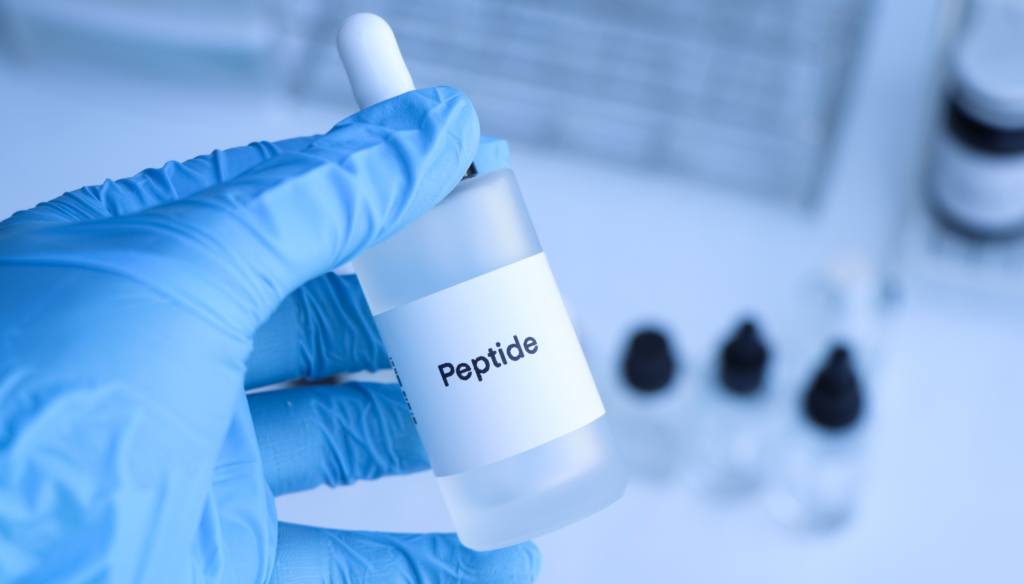
They imitate the natural hormone GLP-1, suppress appetite, and slow gastric empatying.
Examples: Wegovy (semaglutide), Zepbound (tirzepatide), Saxenda (liraglutide).
Experimental Peptides
These peptides are often distributed online under the label “for research purposes.” They are not approved by the FDA or EMA and have no guarantee of purity or long-term safety.
Examples: Ipamorelin, CJC-1295, HGH Frag 176-191, AOD-9604.
Methods of Administration
Peptides have varying stability and absorption methods:
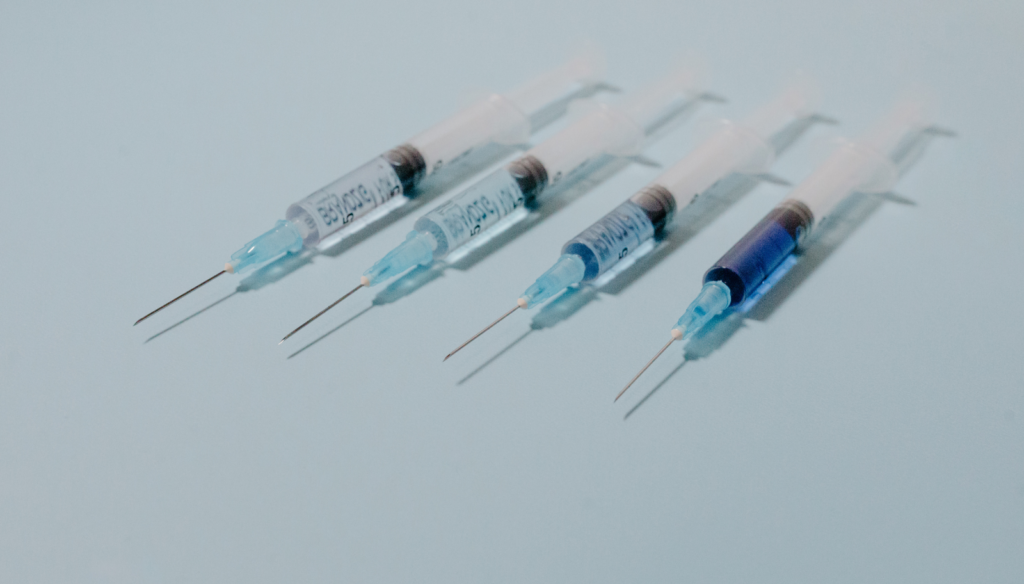
Injection Method: The gold standard for systemic peptides. Due to their protein structure, peptides degrade in the stomach if taken orally. The injection bypasses this problem. This is the only method for therapeutic medications like Wegovy or Zepbound.
Oral Method: Some new developments use carriers that protect the peptide so it can be taken as a tablet.
Topical Application (Creams/Serum): Used only in cosmetics for local skin treatment. These products have no systemic effect on metabolism.

Important Warning: Any injectable weight loss procedure is strictly medical and must be performed only under medical supervision.
Peptide Summary Table
| Peptide | Action | Methods | Approved by FDA/EMA |
|---|---|---|---|
| Semaglutide (Wegovy) | Strong appetite control | Injection | Yes |
| Tirzepatide (Zepbound) | Dual GLP-1/GIP agonist | Injection | Yes |
| Liraglutide (Saxenda) | Appetite suppression | Injection | Yes |
| Ipamorelin | Growth hormone release | Injection | No |
| HGH Frag 176-191 | Stimulates lipolysis | Injection | No |
| AOD-9604 | Fat metabolism | Injection | No |
This article is for informational purposes only. Before undertaking any therapy, a consultation with a medical professional is mandatory.